
The Struggles of Sleep Deprivation
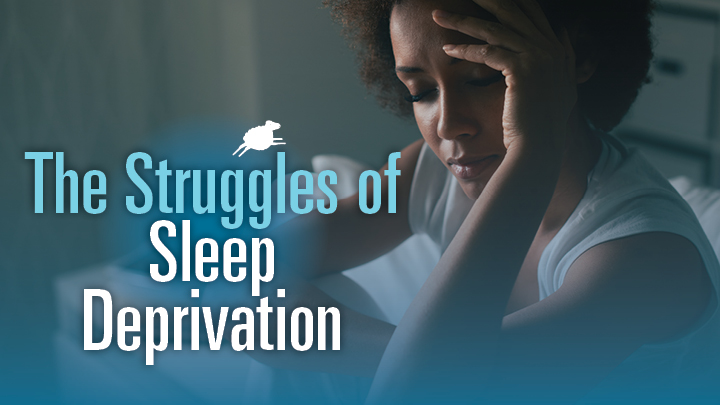
Sleep deprivation is often looked over in student life. It’s easy to normalize something as harmful as lack of sleep when you have papers, exams, assignments, and work to do. It’s important that sleeping habits aren’t overlooked in the name of academics, as not only can they have a detrimental impact on your academics, but also your overall wellness. There are strategies and techniques you can use to combat the battle on sleep that many students encounter. Whether making manageable changes to your environment or habits, there’s hopefully a strategy that will work for you.
It’s 11:30PM, you yawn and stretch as the wear and tear from a busy day finally sets in. A cold winter breeze passes your bedroom window and sends the snow on the ground into a swirling dance. The street lights cast a warm beam of yellow light into the lonely street. A silent, calming winter night; the perfect conditions to get some well-deserved sleep. You crawl under the covers and shift all the weight of your responsibilities onto the mattress springs. You close your eyes and start to drift away into the wondrous ether of your unconscious. Suddenly your phone blares out an insultingly loud alarm; you forgot, you have a midterm tomorrow.
And so a long night of coffee and junk food begins, instant coffee, Doritos, more instant coffee, more Doritos. It’s an endless cycle of junk food that fuels the battle raging inside of you between sleepy you and stressed-out-I-have-a-midterm-tomorrow-morning you. Students are all too familiar with this situation.
Sleep deprivation plagues all of us at some point. It has serious physical and mental effects on our wellness, some of which are acute and hard to ignore, others of which set in gradually and become normalized in our lives.
Some of the acute symptoms of sleep deprivation, apart from being sleepy during the day, include: yawning, moodiness, fatigue, irritability, depressed mood, forgetfulness, feeling “fuzzy,” decreased motivation, clumsiness, increased appetite, change in cravings, and a reduced sex drive. Depending on the severity of sleep deprivation, these symptoms can occur in various levels of intensity on their own or together. They can have a significant impact on your experience during the day and alter your productivity and happiness.
Beyond the acute symptoms discussed above, sleep deprivation can have a negative impact on various body functions. Sleep deficiency can have a negative impact on the immune system, and result in a person taking longer to recover from an illness than usual. In addition, sleep deprivation can affect body weight by impacting the hormones used to regulate hunger, satiety, and fullness. Lastly, a lack of sleep can cause the release of excess insulin, which can lead to increased risk of type 2 diabetes and increased fat storage. All these systems can be impacted by a lack of sleep, however, the effects of which may not be immediately apparent to the person. It’s important to stay on top of a healthy sleeping schedule and stay educated on its impacts.
How much sleep should I get?
According to the National Sleep Foundation (NSF) in 2015, the recommended amount of sleep for people aged 18 to 64 is 7-9 hours. The student lifestyle lends itself to prolonged days and sleep deprivation, so it’s important to understand the significance of a healthy sleeping schedule and recognize when it’s having an impact on your personal wellness.
Although purposefully avoided at times, and sometimes guilty of making us late for important events, sleep is necessary. Healthy sleeping habits have a profound effect on your state of wellness, and can contribute to living a satisfying, content lifestyle. Don’t ignore the signs of sleep deprivation, help yourself Stay Well, Mac.
By: Connor Blakeborough